Best Document360 alternatives in 2026

Document360 is one of the most widely used knowledge base platforms in SaaS. It handles version control, category trees, internal vs. external content, SEO settings, and analytics on what your readers search for and can't find. For teams with complex multi-product documentation structures and dedicated technical writers, it's a mature, capable platform.
Teams look for Document360 alternatives for a few reasons: the pricing (which starts around $99/month and scales on custom quotes for larger plans), the manual content production model (you're still writing everything), or because their primary challenge isn't organizing documentation — it's producing it in the first place.
Here are 5 alternatives worth evaluating depending on which gap you're trying to close.
1. Clevera
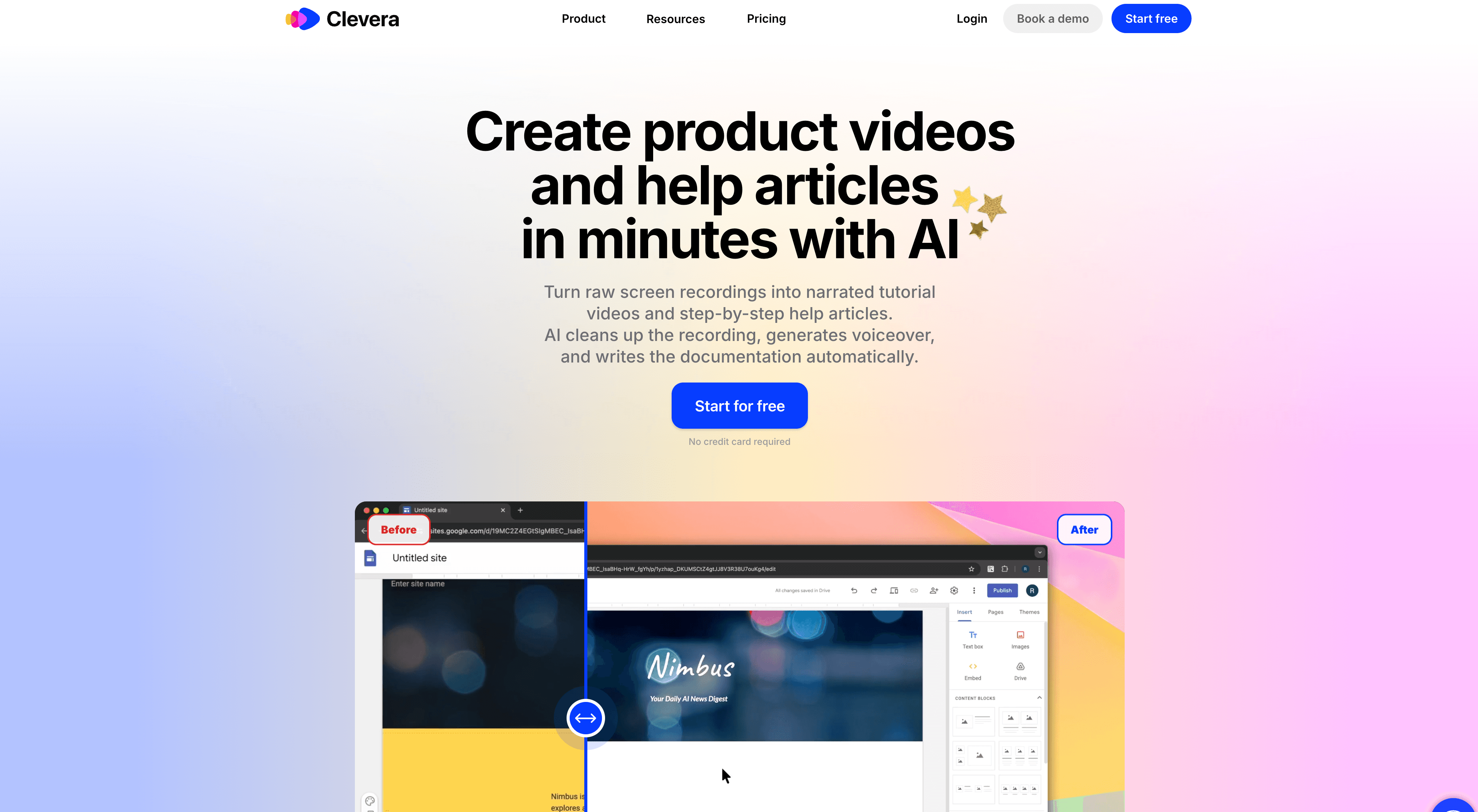
Best for: AI-generated video tutorials and written how-to articles from a silent screen recording
Document360 is a publishing platform. It gives you structure, organization, and versioning for documentation you've already written. It doesn't write the documentation for you.
Clevera works at the content production level — before the content ever reaches a knowledge base. You record your screen while performing any product workflow — without speaking, without scripting. Clevera's AI analyzes the recording and generates a full narration script explaining what each step accomplishes and why, an AI voiceover synced to the video, and a structured how-to article with numbered steps, step titles, and auto-selected screenshots. Nothing is manually authored.
The output can then publish directly to Notion, Confluence, Zendesk, Intercom, GitHub, and other platforms — wherever your help center lives. For teams using Document360 primarily for their help center, Clevera addresses the upstream content bottleneck.
What matters for documentation teams coming from Document360:
One silent recording produces a finished video and a ready-to-publish article
Live video embeds update everywhere instantly when you edit after publishing (LiveSync)
74-language translation for both video and article in one click — without a translation workflow
Pricing starts at $29/month (annual)
Clevera doesn't replace Document360's organizational layer — category management, version history, SEO metadata, content analytics. For teams that need documentation structure and governance on top of automated content production, the two tools can work together rather than as substitutes.
Best for: Product teams, CS managers, and support leads who need help center content produced automatically, not just organized efficiently.
See how Clevera's AI documentation generator works
2. Notion
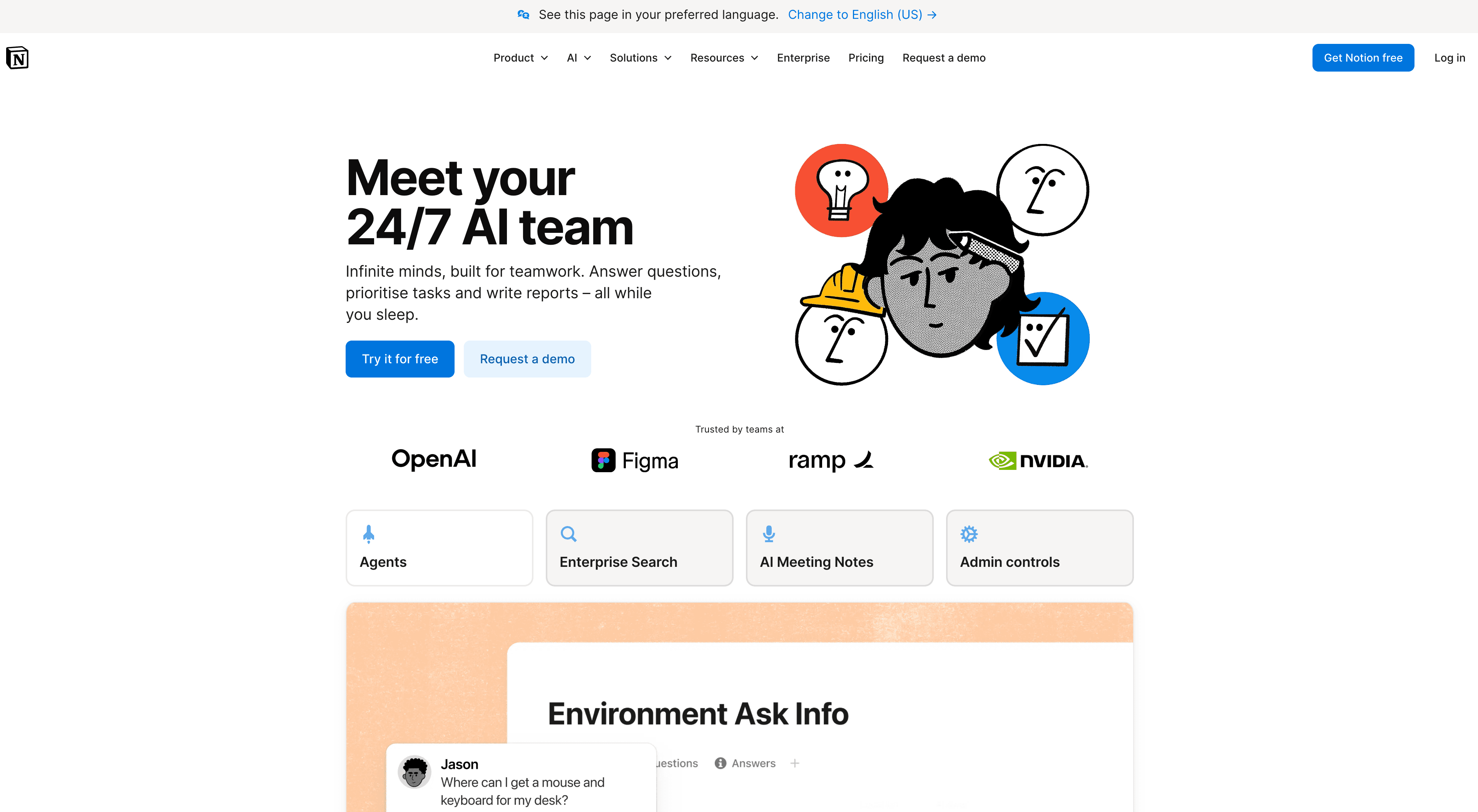
Best for: flexible team knowledge base without a dedicated documentation platform
Notion is used by thousands of SaaS teams as a knowledge base substitute — internal wikis, product documentation, runbooks, and help articles all live in the same workspace. No per-page fees, no documentation-specific configuration overhead.
The gap compared to Document360 is the reader experience. Notion is built for teams editing together, not for external customers navigating a structured help center. Embedding Notion as a customer-facing knowledge base works for early-stage teams; it starts to show limitations at scale when search, analytics, and SEO matter.
Best for: Small to mid-size teams that want a lightweight internal and external knowledge base without dedicated documentation platform overhead.
3. GitBook
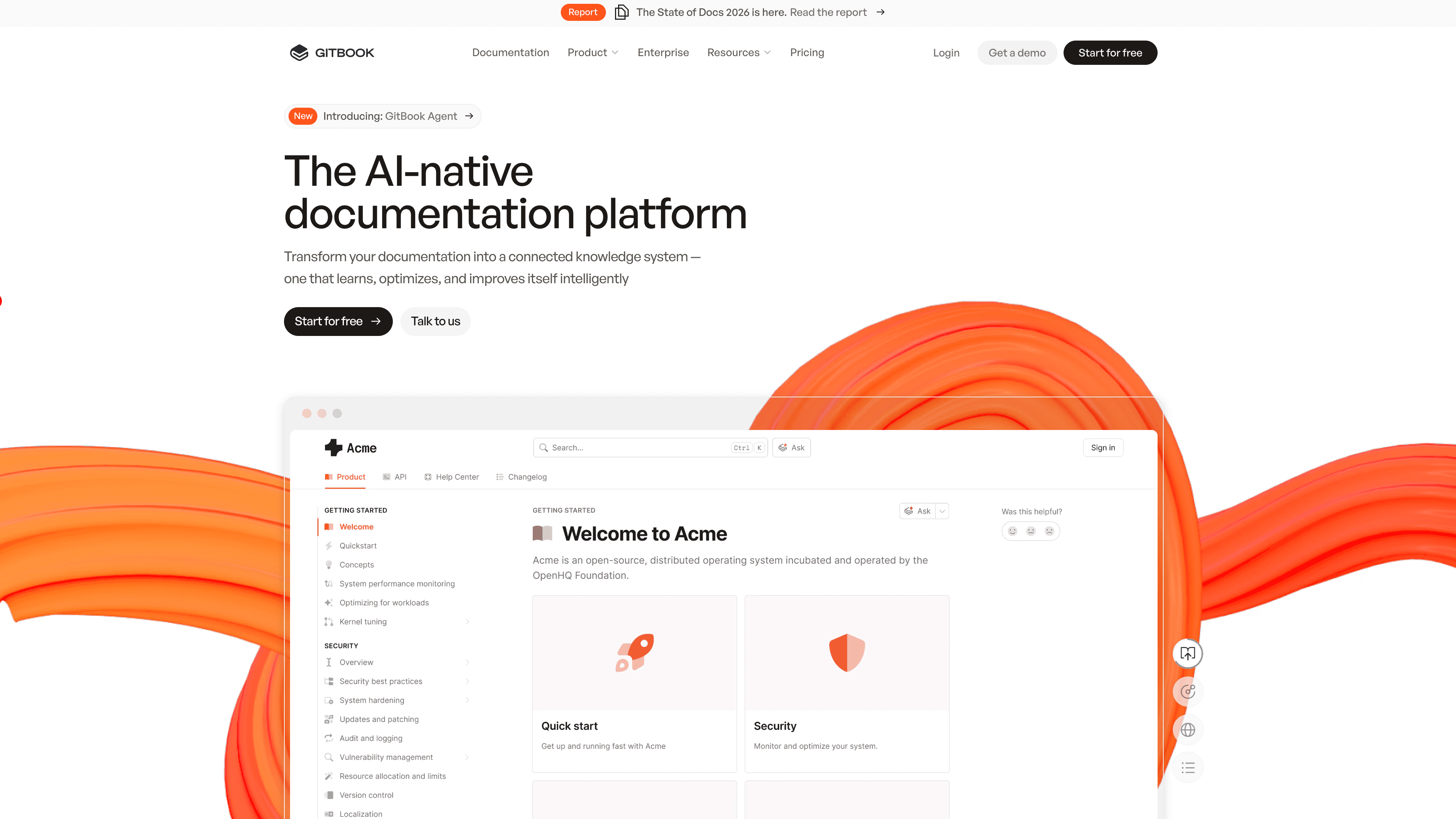
Best for: developer-focused documentation with Git-based versioning
GitBook targets developer documentation specifically — product APIs, developer guides, and technical references. It integrates with GitHub for version-controlled docs and produces clean, readable documentation sites with minimal configuration.
For product teams with a mix of end-user and developer documentation, GitBook handles the developer side well but is less suited to customer-facing how-to content than Document360. For teams with purely developer-facing documentation needs, it's a cleaner fit.
Best for: Engineering and developer-relations teams that need version-controlled, developer-facing documentation with GitHub integration.
4. Confluence
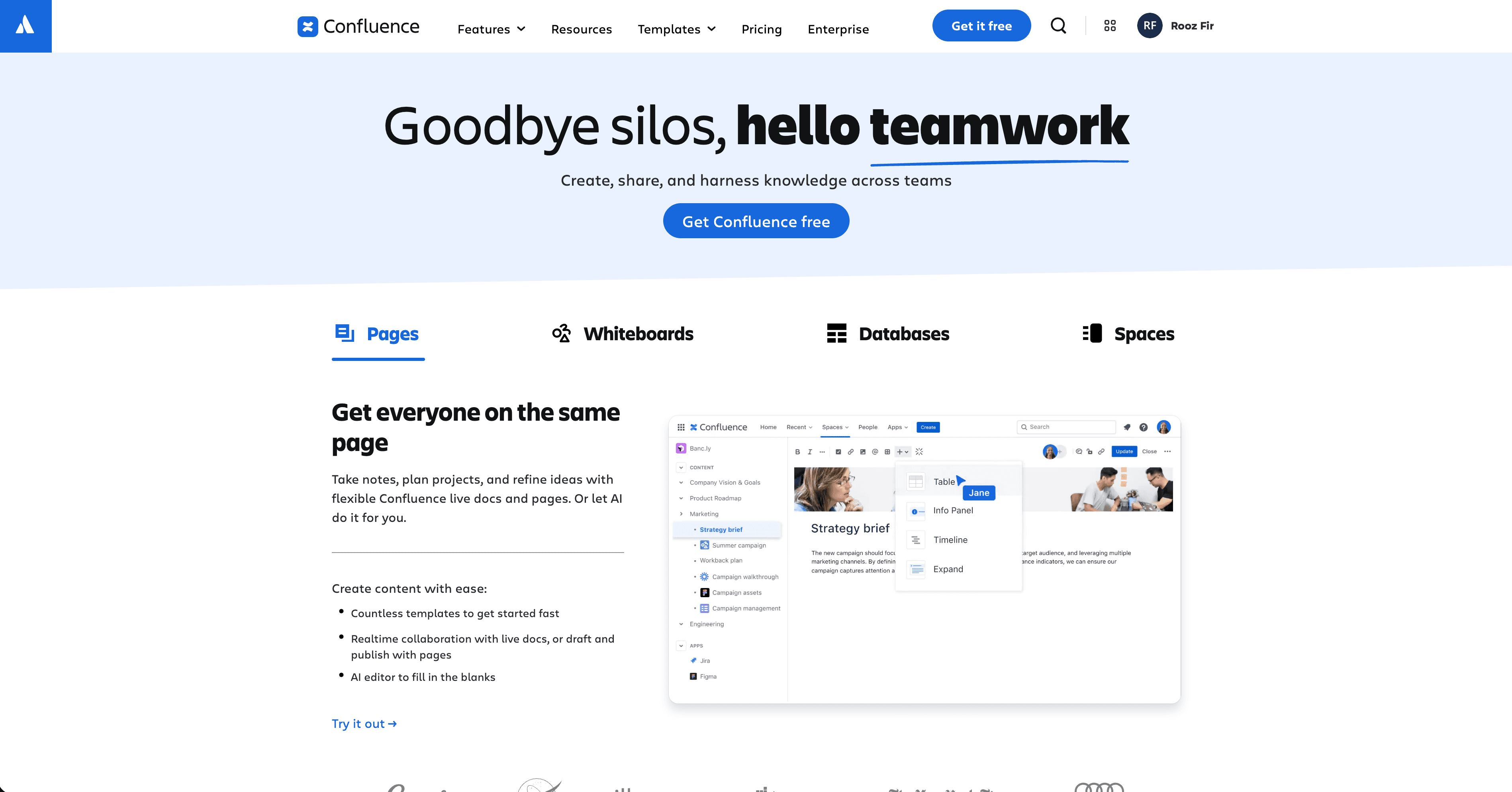
Best for: internal knowledge management within the Atlassian ecosystem
Confluence is a team wiki and internal documentation tool used by organizations already on Jira. It's less optimized for external customer documentation than Document360 — the default experience is more internal-wiki than public help center.
For teams using Jira and Trello who want a documentation tool that already connects to their project management stack, Confluence is the natural choice. For teams who primarily need a customer-facing help center with search and analytics, it's less suitable than Document360.
Best for: Atlassian-stack teams that need internal documentation and team wikis, not customer-facing help centers.
5. Helpjuice
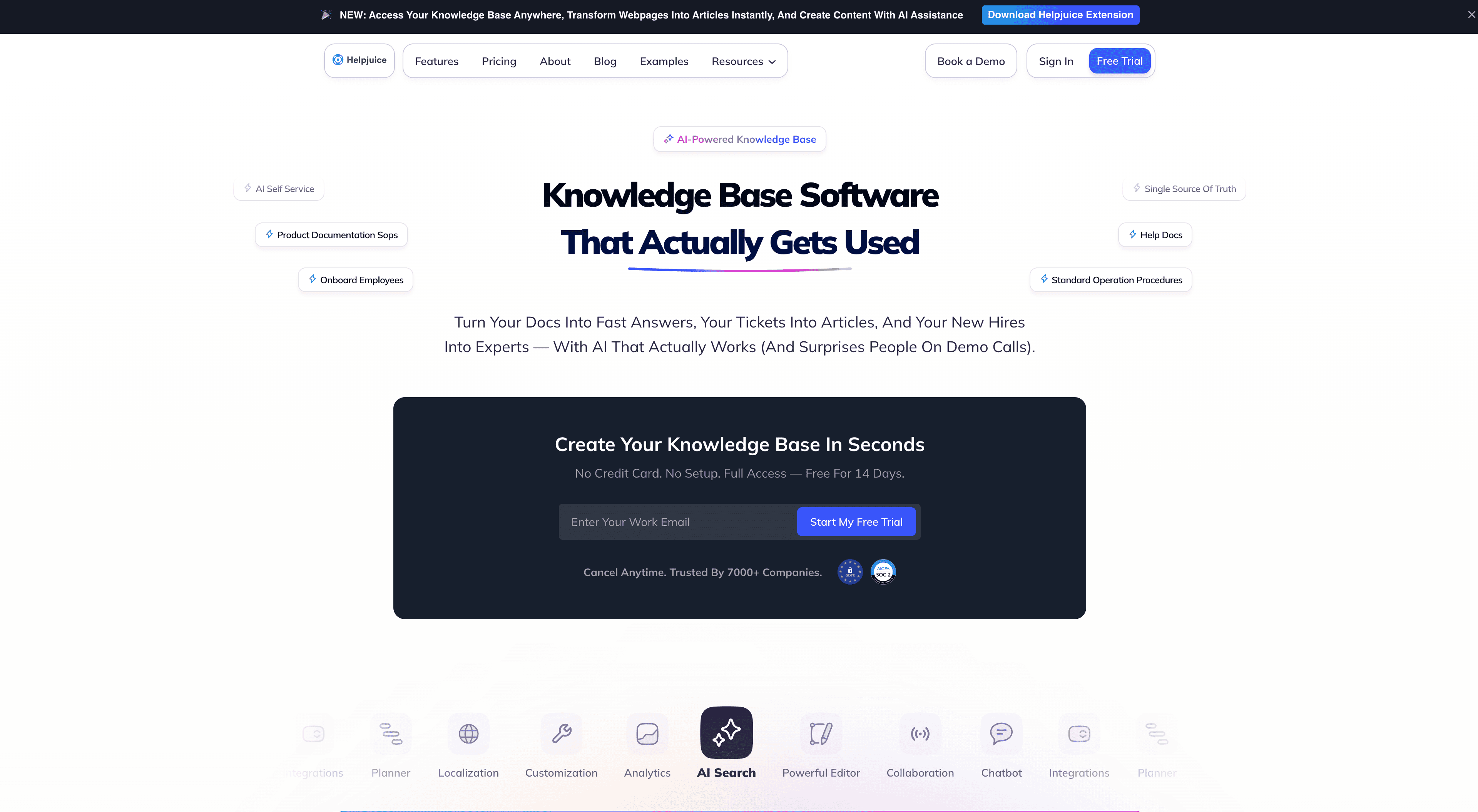
Best for: customer-facing knowledge base with strong search and analytics
Helpjuice is a purpose-built knowledge base platform similar in positioning to Document360. It focuses on search quality (including AI-powered instant answers from your documentation), content analytics tracking what users search for and fail to find, and multi-language support.
The main comparison point is ease of setup and customization. Teams generally find Helpjuice's interface cleaner and faster to configure than Document360's for straightforward knowledge base use cases. The pricing model is per-user, starting around $120/month for 4 users.
Best for: Teams that want customer-facing knowledge base functionality with strong search and analytics, as a simpler alternative to Document360's feature breadth.
How to choose
If you need... | Best option |
|---|---|
AI-generated video + article content from screen recordings | Clevera |
Flexible internal + external knowledge base | Notion |
Developer documentation with Git versioning | GitBook |
Internal documentation within Atlassian stack | Confluence |
Customer-facing KB with strong search and analytics | Helpjuice |
Document360 is the right choice when documentation structure, versioning, and reader analytics are as important as the content itself. When the bottleneck is actually producing the content — not organizing it — Clevera addresses that gap at a level no documentation platform does.

