LMS vs microlearning platform for SaaS: which one does your team actually need?
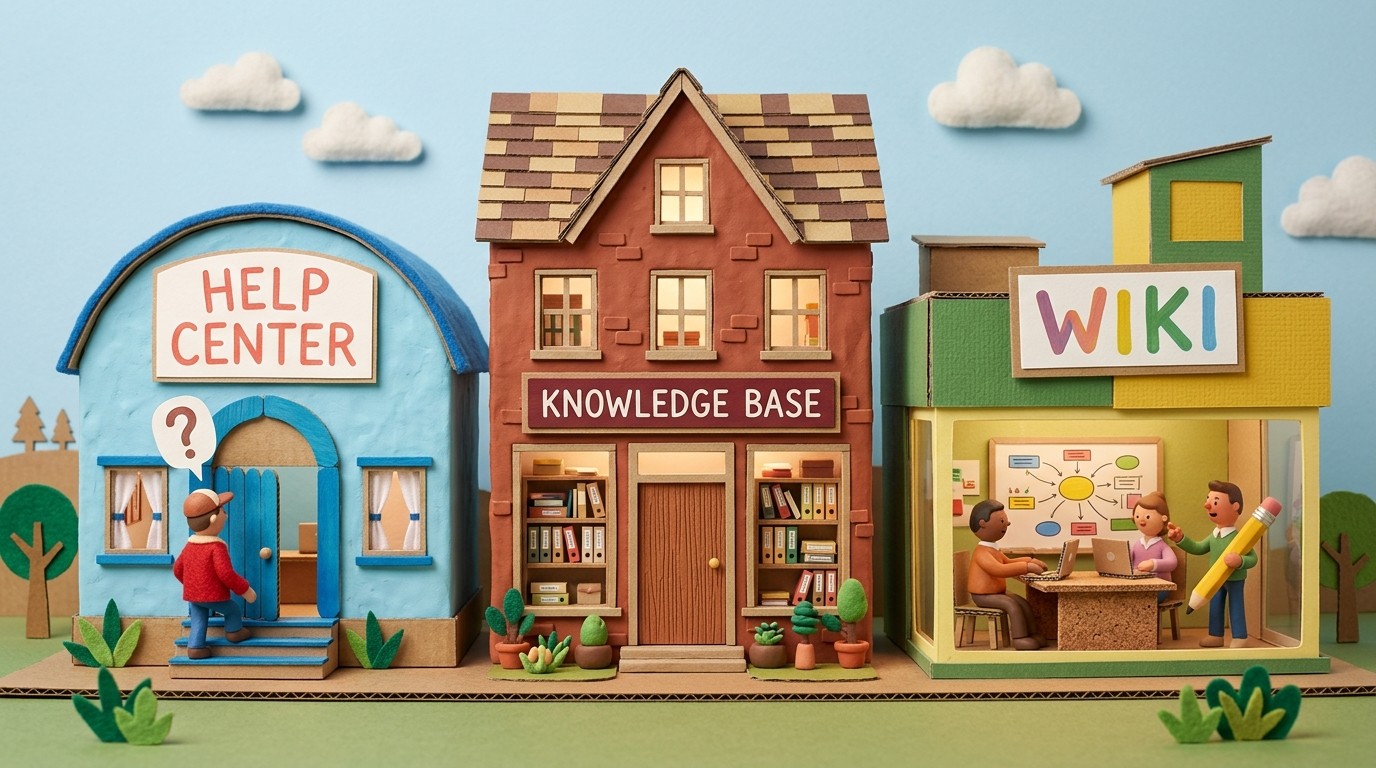
SaaS teams evaluating training tools run into the same decision sooner or later: full learning management system (LMS) or microlearning platform? The category names suggest a size difference. The actual difference is more fundamental — they're optimized for different types of learning and different business outcomes.
Picking the wrong one doesn't just waste the budget. It means building a training program that doesn't fit how your audience learns, and discovering that 6 months into the rollout.
What an LMS actually is
A learning management system is a platform for creating, delivering, and tracking structured courses. The defining characteristics:
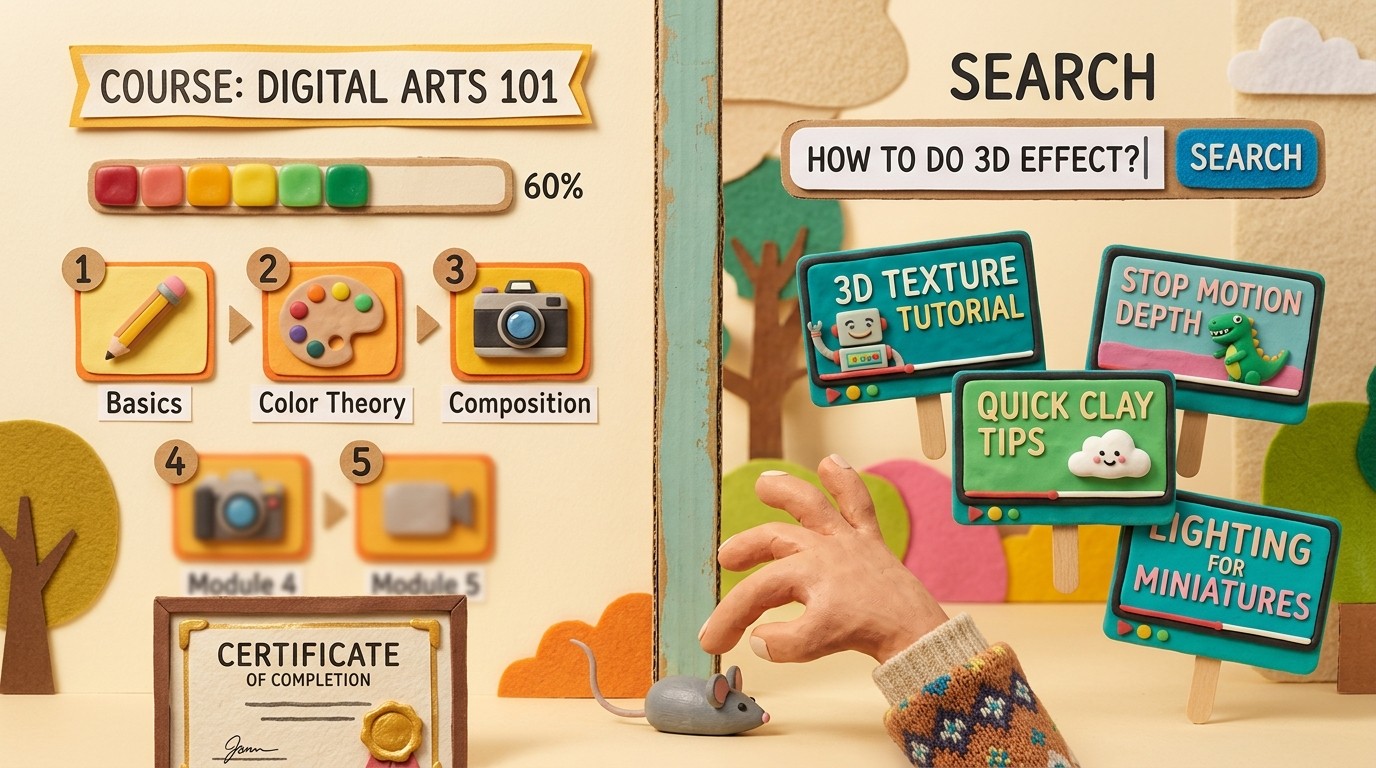
Course structure: content is organized as modules within courses, with defined sequences, completion requirements, and prerequisites. A learner moves through content in an order the course creator determines.
Completion tracking and compliance: LMS platforms are built around tracking whether a learner completed a course, passed an assessment, and earned a certification. This is the feature set that makes LMS valuable for compliance training, certification programs, and formal employee onboarding.
Assessment and certification: quizzes, tests, and certifications are native to LMS platforms. A learner who finishes a course gets a certificate; a manager can see who in their team is certified and who isn't.
Content creation or import: most LMS platforms have built-in authoring tools or support SCORM/xAPI content imported from external authoring tools (Articulate, Adobe Captivate).
Common LMS use cases for SaaS companies: customer education academies (Gainsight PX, Skilljar, LearnUpon), employee compliance training, partner certification programs, structured new hire onboarding with completion tracking.
What a microlearning platform actually is
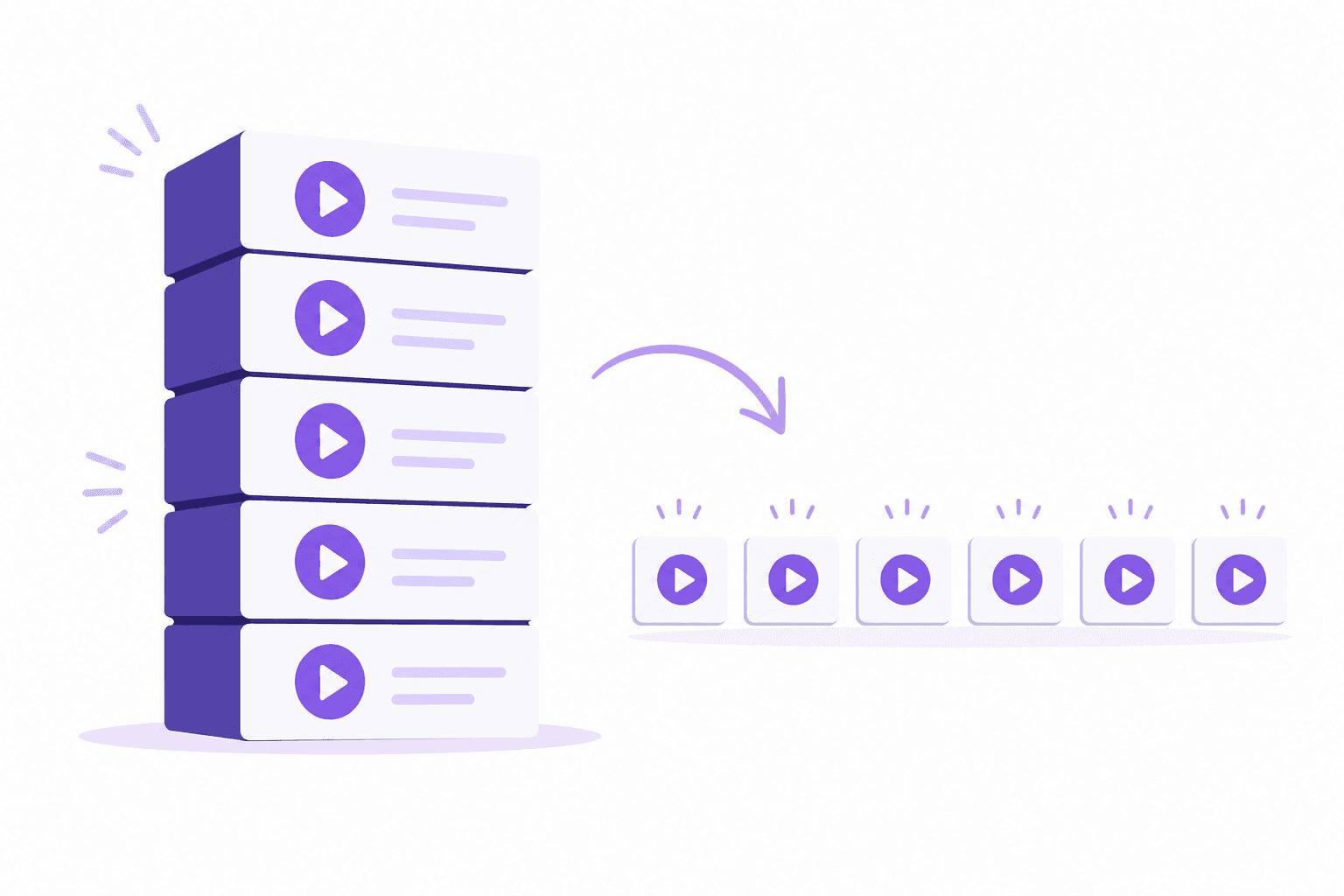
A microlearning platform is designed for short, targeted knowledge transfer — typically 2-7 minutes per piece of content — delivered in the flow of work rather than as a scheduled course.
Content format: short video walkthroughs, quick how-to guides, step-by-step tutorials. Not 40-minute modules.
Delivery context: content surfaces when a learner needs it — in a search, via an in-app prompt, as a link in a Slack message. Microlearning doesn't assume a learner will sit down for a dedicated training session; it meets them at the moment of need.
No defined completion path: microlearning libraries are navigated non-linearly. A customer support agent searches for how to handle a specific issue; a new hire watches the 4-minute video on how to set up their development environment. There's no required sequence.
Production speed over production value: microlearning content is built to be created quickly and updated frequently. A 3-minute tutorial produced in 30 minutes is the right format; a 40-minute SCORM module produced over 6 weeks is not.
Common microlearning use cases for SaaS: help center tutorials, product documentation, onboarding walkthroughs, internal process documentation, feature adoption content.
The key differences
LMS | Microlearning platform | |
|---|---|---|
Content format | Multi-module courses | Short videos, quick guides |
Delivery model | Scheduled, sequential | On-demand, searchable |
Primary use case | Certification, compliance, formal onboarding | Product tutorials, process documentation, performance support |
Completion tracking | Core feature | Secondary or absent |
Production time | Weeks per course | Hours or minutes per piece |
Update frequency | Infrequent (high production cost) | Frequent (low production cost) |
Best audience | Customers in formal education programs, compliance-required employees | Customers using the product, employees needing workflow support |

When an LMS is the right choice
An LMS makes sense when the training outcome you need is certification or tracked completion.
Customer education academies: if your product requires customers to complete formal training before using advanced features, or if customer success is tied to measurable competency, an LMS gives you the completion tracking and certification infrastructure to run that program.
Partner certification programs: channel partners or integration partners who need to demonstrate product competency before being certified benefit from LMS structure. The certificate is the outcome; the completion tracking gives your team visibility into which partners are certified.
Compliance-required employee training: HR and legal teams often require proof that employees completed specific training — safety, data privacy, harassment prevention. LMS platforms are built for this: certificates, completion records, audit trails.
Structured new hire onboarding with accountability: if your onboarding program has a defined curriculum and managers need to see whether new hires completed it, LMS tracking features serve that need.
When a microlearning platform is the right choice
A microlearning approach fits most product documentation, help center content, and day-to-day training needs better than an LMS.
Product tutorials and how-to content: customers who hit confusion mid-workflow need a 3-minute walkthrough, not a course to enroll in. The on-demand, searchable nature of microlearning matches how customers actually look for help.
Feature adoption: when a new feature ships, a short tutorial video published the same day reaches customers where they are. An LMS module updated on the same schedule is impractical given the production overhead.
Internal process documentation: employees who need to look up how to run a deployment, submit an expense report, or configure a customer account need a searchable, short answer. Not a module.
Frequent product updates: if your product ships features regularly, tutorial content needs to be updated at that cadence. Microlearning content can be re-recorded and republished in under an hour; LMS modules require significant authoring time to update.
The production problem that shapes the decision
The practical difference between LMS and microlearning isn't just format — it's production cost.
LMS courses are expensive to produce. A well-structured 40-minute course with assessments might take 40-80 hours of authoring time using SCORM tools. That production cost justifies itself for content that's used hundreds of times and updated infrequently.
Microlearning content needs to be cheap to produce, because it needs to be updated frequently. A tutorial that takes 4 hours to produce and update can't keep pace with a product that ships weekly. A tutorial that takes 20 minutes to produce can.
AI screen recording tools change the microlearning production economics. A product manager records their screen silently while walking through a feature; the AI generates the narration, produces the voiceover, and creates a written how-to article alongside the video. The tutorial is ready to publish in under 30 minutes. When the feature changes, re-recording takes the same time.
This production model makes it feasible to maintain a comprehensive, current library of product tutorials — which is what most SaaS teams need for customer education and employee enablement on a day-to-day basis.
See how Clevera generates tutorial videos and articles from screen recordings
Do you need both?
Some organizations do. A SaaS company with an enterprise customer education program might run a formal LMS certification track for customers who want to demonstrate product expertise — while also maintaining a microlearning library of how-to content for all customers at the point of need.
The right question is: what outcome are you building toward? If the outcome is a certificate or tracked completion, you need LMS infrastructure. If the outcome is a customer or employee who can do the thing they're trying to do, you need accessible, current, searchable tutorial content.
Most SaaS teams overestimate their need for LMS structure and underestimate their need for high-quality, current microlearning content. The certification program is appealing; the help center that deflects 30% of support tickets is what actually moves the business metrics.